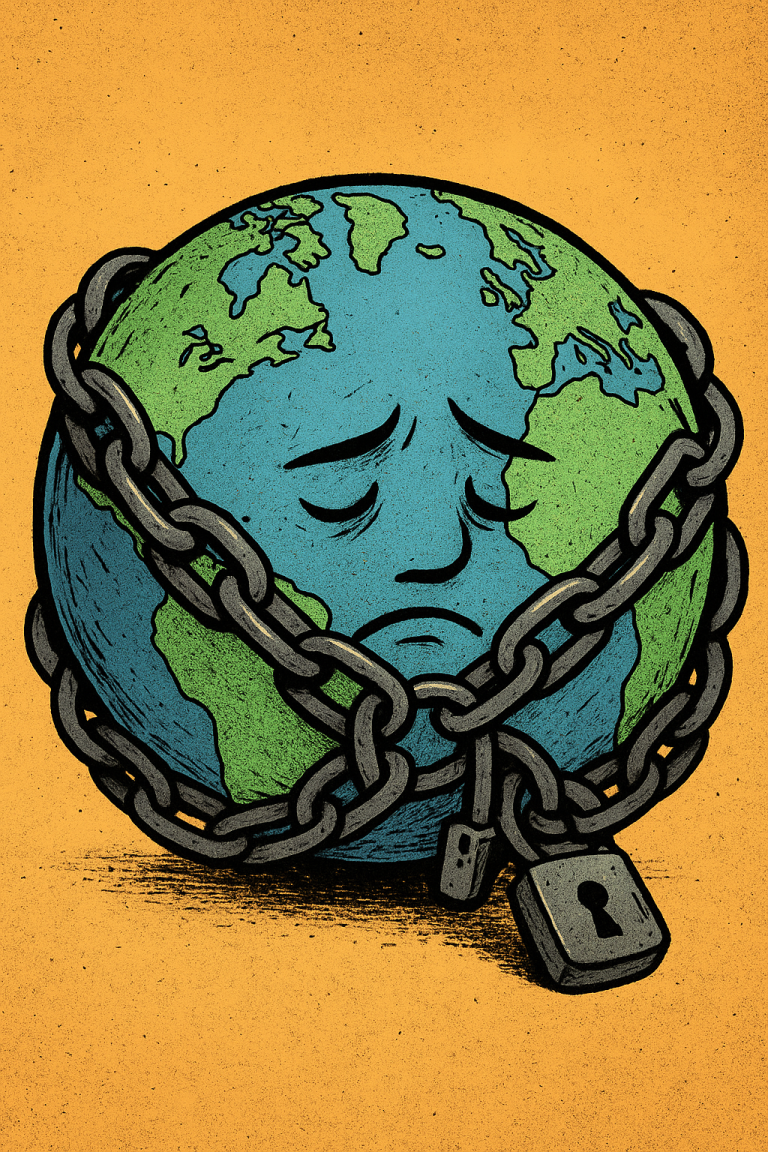
“If we can put a man on the moon, why can’t we feed the world?”
That was one of many thought-provoking questions posed by Jacque Fresco, a self-taught futurist, inventor, and social engineer who dedicated his life to rethinking how society functions. His life’s work culminated in The Venus Project, an ambitious plan to redesign the entire structure of civilization—without money, politics, or war.
Who Was Jacque Fresco?
Born in 1916 in Brooklyn, New York, Jacque Fresco was an eccentric thinker long before the world caught up to many of his ideas. With a background in industrial design, aircraft engineering, and architecture, he became known for his radical views on the root causes of societal problems.
Rather than blaming individuals for crime, poverty, or inequality, Fresco saw the economic system—particularly capitalism and monetary-based economies—as the true culprit. His solution? Create a Resource-Based Economy (RBE).
What Is The Venus Project?
Founded in the 1970s and headquartered in Venus, Florida, The Venus Project is both a research center and a bold vision for a post-scarcity world. The project’s core idea is to transition society from a monetary economy to one based entirely on the equitable management of Earth’s resources through advanced technology and science.
Key elements of The Venus Project include:
Resource-Based Economy
Instead of using money, trade, or barter, all goods and services would be available without cost. AI, automation, and ecological design would efficiently manage resources, eliminating waste, scarcity, and greed.
Circular Cities
Fresco designed futuristic circular cities optimized for energy efficiency, transportation, and social cooperation. These cities would be powered by renewable energy, include automated services, and be built using sustainable materials.
Automation & AI
Machines would handle boring, dangerous, or repetitive work. Automation would liberate humanity from the 9-to-5 grind, allowing people to focus on creativity, learning, and community building.
Global Cooperation
Borders, nationalism, and divisive politics would be replaced with global collaboration based on shared human needs rather than profit motives.
Criticisms and Controversies
While visionary, The Venus Project has faced its share of skepticism:
- Too Idealistic? Critics argue that Fresco’s vision underestimates human nature, power dynamics, and the complexities of transitioning to a world without currency.
- Lack of Political Strategy: The project avoids traditional politics, which has led some to question how such a societal shift could be implemented on a large scale.
- Science Fiction Feel: Detractors have compared the architectural designs and societal plans to utopian science fiction, questioning the real-world feasibility.
Still, many supporters see these critiques as short-sighted, especially considering the rapid growth of AI, smart cities, and automation—elements Fresco predicted decades ago.
Jacque Fresco’s Legacy
Jacque Fresco passed away in 2017 at the age of 101, but his work continues to influence futurists, architects, technologists, and activists. Documentaries like “Future by Design” and “The Choice is Ours” have brought his ideas to wider audiences, and the movement continues through his longtime collaborator Roxanne Meadows.
As climate change, income inequality, and automation reshape our world, many are beginning to ask the same questions Fresco raised years ago: Is our current system sustainable? Is there a better way?
Final Thoughts
The Venus Project remains one of the most radical and compelling visions of the future ever proposed. Whether it becomes a blueprint for the next civilization or simply a thought experiment that inspires reform, Jacque Fresco’s dream challenges us to rethink what’s possible when we design society based on science, sustainability, and shared humanity.
About The Author