When you think about 1990s hip-hop, certain names echo with authenticity, grit, and raw truth-telling. Among them, Albert “Prodigy” Johnson—one half of the legendary rap duo Mobb Deep—stands as a figure who not only captured the struggles of street life but also pushed conversations far beyond music. Known for his dark delivery, razor-sharp lyricism, and grim storytelling, Prodigy became a cultural icon. Yet one of the most compelling aspects of his legacy is how he openly discussed the Illuminati—long before it became a mainstream hip-hop talking point.
Prodigy’s Place in Hip-Hop
Mobb Deep emerged from Queensbridge, New York, one of the toughest public housing projects in America. Alongside his partner Havoc, Prodigy helped shape the sound of hardcore hip-hop in the 1990s. Albums like The Infamous and Hell on Earth painted vivid pictures of inner-city life, filled with themes of survival, betrayal, violence, and loyalty. But beneath the surface of the gun smoke and street anthems, Prodigy harbored deeper ideas about hidden power structures, government corruption, and secret societies.
While most rappers focused on neighborhood politics, Prodigy zoomed out to global conspiracies. He didn’t just rap about shootouts and survival; he spoke on how the system itself was designed to trap, control, and exploit Black communities. This worldview set the stage for his association with the topic of the Illuminati.
The Letter from Prison
Prodigy’s reputation as a rapper who pulled back the veil on hidden truths skyrocketed during his time behind bars. In 2008, while serving a three-year prison sentence for gun possession, Prodigy wrote an infamous open letter that circulated online. In it, he accused Jay-Z of being aligned with the Illuminati and spreading propaganda to mislead the masses.
The letter was blunt and unapologetic. Prodigy claimed the Illuminati—a secret group supposedly manipulating global politics, economics, and culture—used celebrities to pacify and distract people, especially the youth. He argued that mainstream artists were chosen as pawns to keep the population focused on consumerism, materialism, and superficial values rather than truth and empowerment.
This was groundbreaking because, at the time, only a handful of rappers spoke openly about the Illuminati. While whispers of “secret societies” had floated around for decades, Prodigy made it part of hip-hop’s conversation in a direct and fearless way.
Illuminati in His Lyrics
Even before the prison letter, Prodigy had been weaving conspiracy themes into his rhymes. On tracks like Illuminati (from his 2008 album H.N.I.C. Pt. 2), he spit lines about shadowy forces pulling strings behind the scenes. He often referenced secret knowledge, government lies, and spiritual warfare.
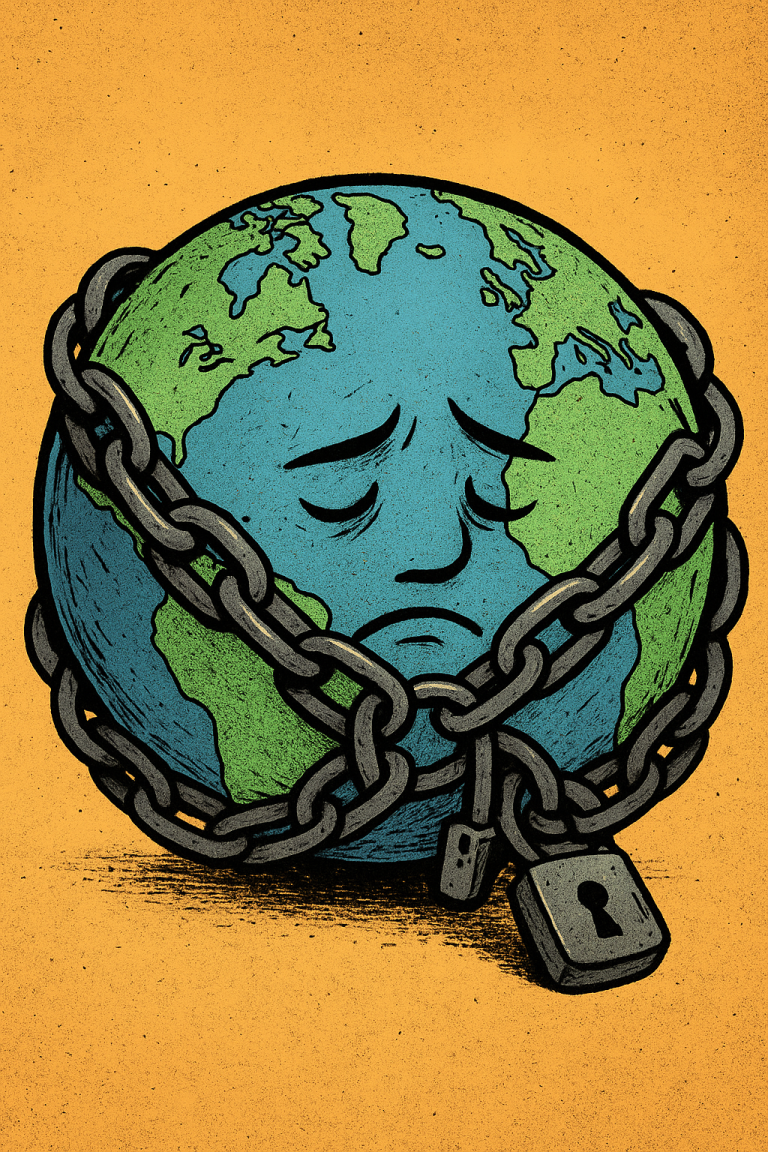
Prodigy positioned himself not just as a street reporter but as someone exposing coded truths hidden in plain sight. He believed hip-hop could be a platform to wake people up, to break the chains of mental slavery, and to shed light on forces beyond the average person’s awareness.
To many fans, this made him more than just a rapper—it made him a truth-teller, a prophet of sorts within hip-hop culture.
Why Prodigy Stood Out
While other rappers hinted at the Illuminati in passing, Prodigy went deeper. He wasn’t afraid to tie the concept into real-world systems: prison pipelines, food systems, government surveillance, and the music industry itself.
For him, the Illuminati wasn’t just about symbolism like pyramids and eyes on the dollar bill—it was about control of information and manipulation of the masses. He warned fans to question everything: the media, politics, corporations, and even the music they consumed.
What made his message resonate was his authenticity. Prodigy didn’t come across as chasing clout by mentioning the Illuminati. Instead, he lived it, studied it, and expressed it with conviction. His health struggles with sickle cell anemia also gave him a unique perspective on life, mortality, and deeper truths—fueling his belief that knowledge of hidden forces was essential for survival.
Influence on Hip-Hop Culture
Prodigy’s outspoken stance helped make the Illuminati a mainstream hip-hop topic. After his prison letter and his songs, more rappers began sprinkling Illuminati references into their bars. Kanye West, Kendrick Lamar, Rick Ross, and many others played with the imagery. But while some used it as entertainment or metaphor, Prodigy insisted it was real.
He pushed fans to read, research, and look beyond surface-level narratives. In a genre often accused of glorifying violence or materialism, Prodigy reminded listeners that hip-hop could also be a tool for awareness and resistance.
The Legacy of a Truth-Teller
When Prodigy passed away in 2017 at just 42 years old, the hip-hop world lost one of its most uncompromising voices. His death sparked tributes not only to his music but also to his fearless pursuit of truth. Fans revisited his letters, interviews, and lyrics, recognizing how ahead of his time he had been in connecting hip-hop with discussions about power, secrecy, and manipulation.
Today, the Illuminati remains a hot-button subject in hip-hop, often reduced to memes or conspiracy jokes. But for Prodigy, it was never a game. It was about survival, liberation, and calling out structures designed to keep people blind.
Conclusion
Prodigy’s role in linking hip-hop to the Illuminati conversation cannot be overstated. He brought urgency, seriousness, and authenticity to the subject. More than a rapper, he was a cultural critic, a philosopher of the streets, and a man determined to warn others of forces he believed shaped their lives from the shadows.
Whether one views his claims as truth, exaggeration, or metaphor, Prodigy ensured that hip-hop would forever carry a thread of skepticism and awareness. His message was simple but powerful: don’t just listen—question everything.
About The Author