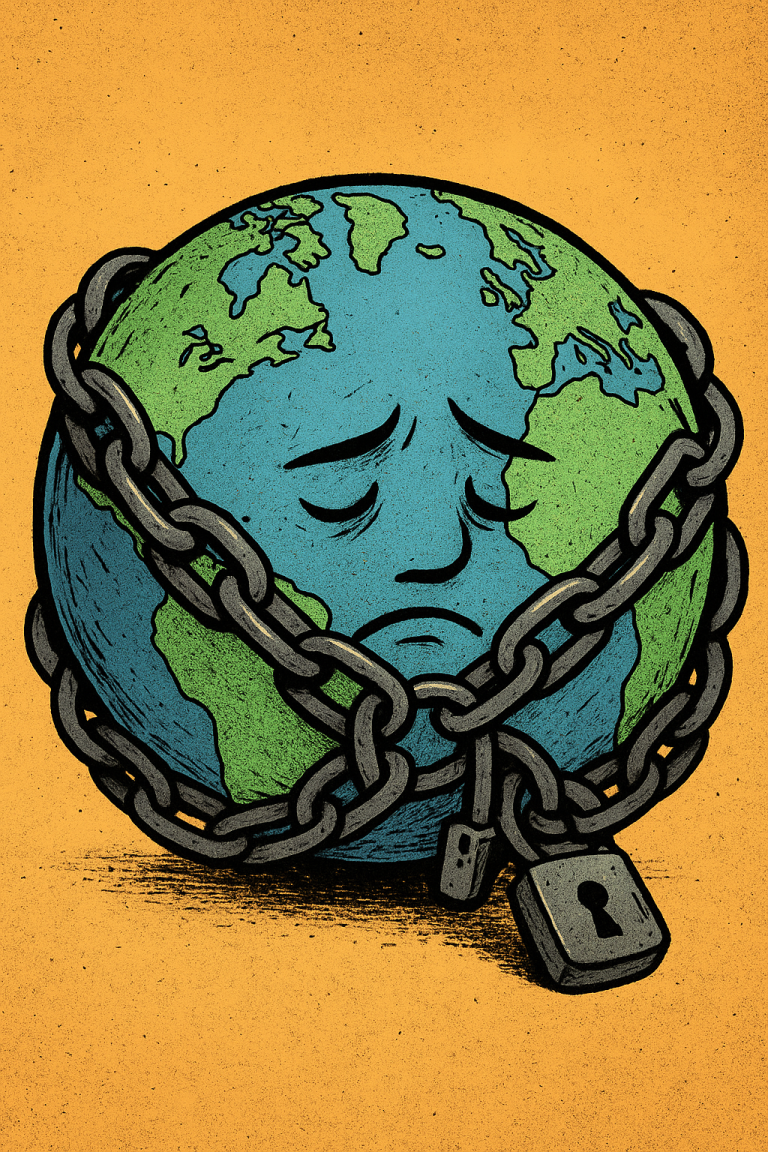
In June 1992, the world turned its eyes to Rio de Janeiro, Brazil, where over 170 nations and countless civil society reps gathered at the Earth Summit — formally the United Nations Conference on Environment and Development (UNCED). The message was bold: you can’t treat the planet like it’s limitless, one big endless resource dump, one big “buy-more, burn-more, throw-away more” cycle. The Earth Summit brought environment and development into the same room, forced them to talk.
What Went Down at the Summit
The setting was massive: heads of state, policymakers, NGOs, activists, media all converged. The idea was: what if we re-imagine economic growth not in opposition to environmental health, but together with it? Key outcomes included:
- The United Nations Framework Convention on Climate Change (UNFCCC) — a global treaty demanding nations start to think about limiting greenhouse gases.
- The Convention on Biological Diversity — tackling biodiversity loss, species, ecosystems.
- The Agenda 21 — a sweeping 300-page plan that laid out how nations, cities, businesses and individuals could move toward “sustainable development”.
- The Rio Declaration on Environment and Development — declaring 27 principles to guide human-environment interaction moving forward.
It was a turning point. Up until that moment, environment and economy were often pitched as enemies: you protect nature, you sacrifice growth. The Summit flipped that: we gotta see them as intertwined.
Why It Still Matters Today
Fast forward to now: all the buzz around climate change, biodiversity collapse, resource limits, food security — many of these trace roots back to the 1992 event. The Summit helped create the frame that says: development cannot be ecocide. The planet has limits. Systems of production, consumption, finance have to shift.
For your podcast beat — talking urban style — imagine this: the game changed. The rules got rewritten. The idea of sustainable development became mainstream. That means cities, corporations, individuals all have to own their piece of the puzzle. The Summit said, “Yo, growth cannot thrive if the foundation (nature, ecosystem) is crumbling.”
Also, the mechanisms of accountability and global governance were set in motion. Though not perfect, the UNFCCC eventually led to later milestones like the Paris Agreement. Biodiversity talks continued. Investment flows into “green” tech, renewable energy, circular economy models — all under the umbrella of “we gotta do better than business-as-usual.”
The Trouble and the Realities
But hold up — while the Summit laid out blueprints, the reality has been messy. Many countries struggle to meet commitments. Some businesses green-wash. Some policies stall. For example: rich nations had pledged more development aid to help poorer countries shift to sustainable modes, yet many fell short. The tension between developed & developing nations remains: countries say “We gotta grow now” vs. “We gotta protect now.”
And ironically, some of what came out looked like talk more than walk. The full promise of Agenda 21 didn’t get delivered everywhere. Implementation is patchy. But here’s the thing: even with all that, the Summit changed the conversation. It changed language, it changed expectations.
What About “TrUMOP”? (Trump Era Connections)
If by “TrUMOP” you were referring to Trump (or that era’s policy environment) — there’s relevance. The global framework that started at Rio competes with nationalist, growth-at-all-costs, resource-exploit-first policy stances. Under Trump, for instance, the U.S. stepped back from multilateral climate commitments, questioned global governance, emphasized economic dominance and short-term gain over long-term sustainability. This tension underscores the Summit’s legacy: the world keeps reminding us we need to work together; but some actors push “my economy first, rules later.”
In other words: Rio set up a global pact, a mutual understanding. But decades later, the push and pull between global responsibility and national ambition is still happening. When leaders say “trade wars good and easy to win,” or “we’ll exploit resources for growth now, worry later,” they run counter to the ideas that Rio embedded. (See how environment-security-economy intertwine.)
Why It’s Dope to Talk in Urban Storytelling Format
Picture this: The Earth Summit was like the big cipher that called all the heads, the crew, the OGs of the planet to the same block. They came together and said: “We ride this planet together, we either build right or crash together.” Back in ‘92, they laid down the track: sustainable development. Fast forward: we’re still riding along that beat. Some folks remix it—green tech, circular economy. Some folks skip it—they keep burning fossil fuels as if the song’s not playing.
On your podcast, you can frame it like: “In ’92 we got the invite. We all signed up to roll differently. But now? The stakes are high. The climate’s throwing off the drop. The economy’s shifting. And the main-stream, the underground, everyone’s gotta make moves.”
Call to Action for Listeners
If your audience is about hip-hop storytelling, culture, untold history, conspiracies even: this summit is hidden background of so much modern chaos. It’s part of why we rap about climate injustice, why urban communities feel the brunt of environmental harm, why trade policy and resource extraction link with poverty and pollution. So bring it home: remind your listeners that the blueprint from Rio is their blueprint too. Community gardens, urban farming, energy justice, local clean-ups — that’s sustainability in action from the ground up.
Ending note: The Earth Summit wasn’t a magic bullet. But it’s a milestone. It set the conversation. And whether global leaders follow or not, the legacy is in motion. For your channel, the story is real, hard-hitting, culturally rooted. People who live in the cities, who live in impacted zones—this is their terrain. The blueprint applies. The fight continues.
About The Author